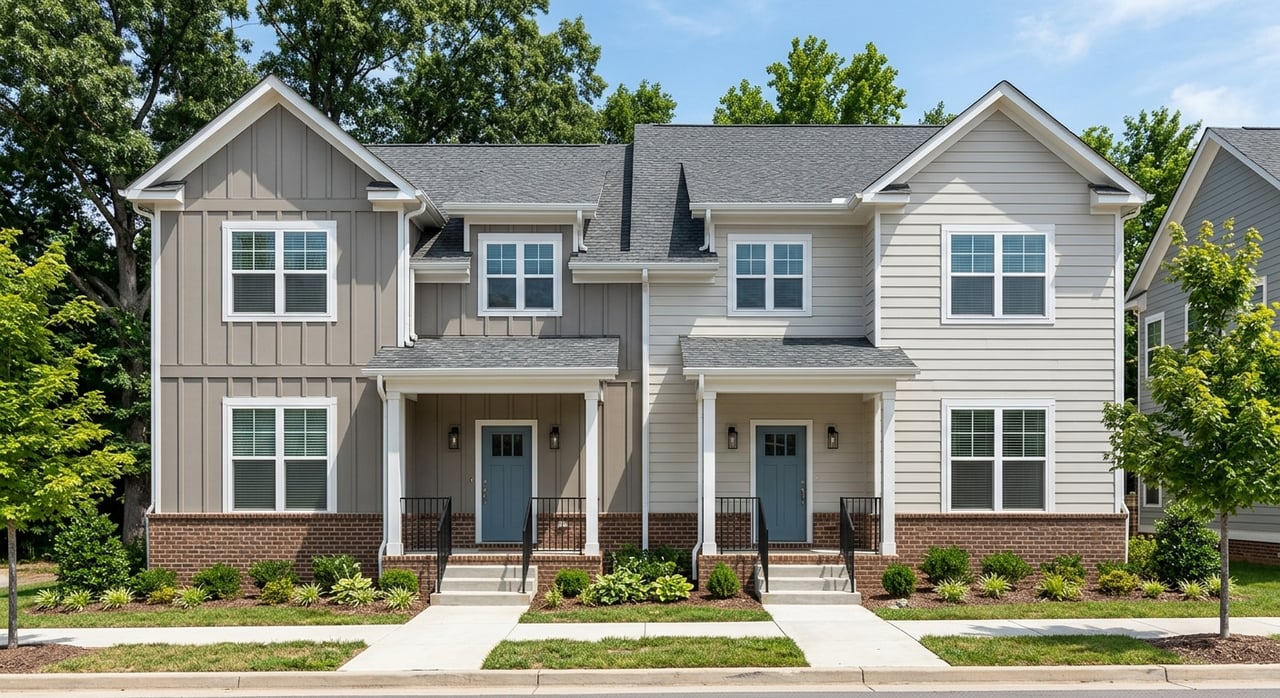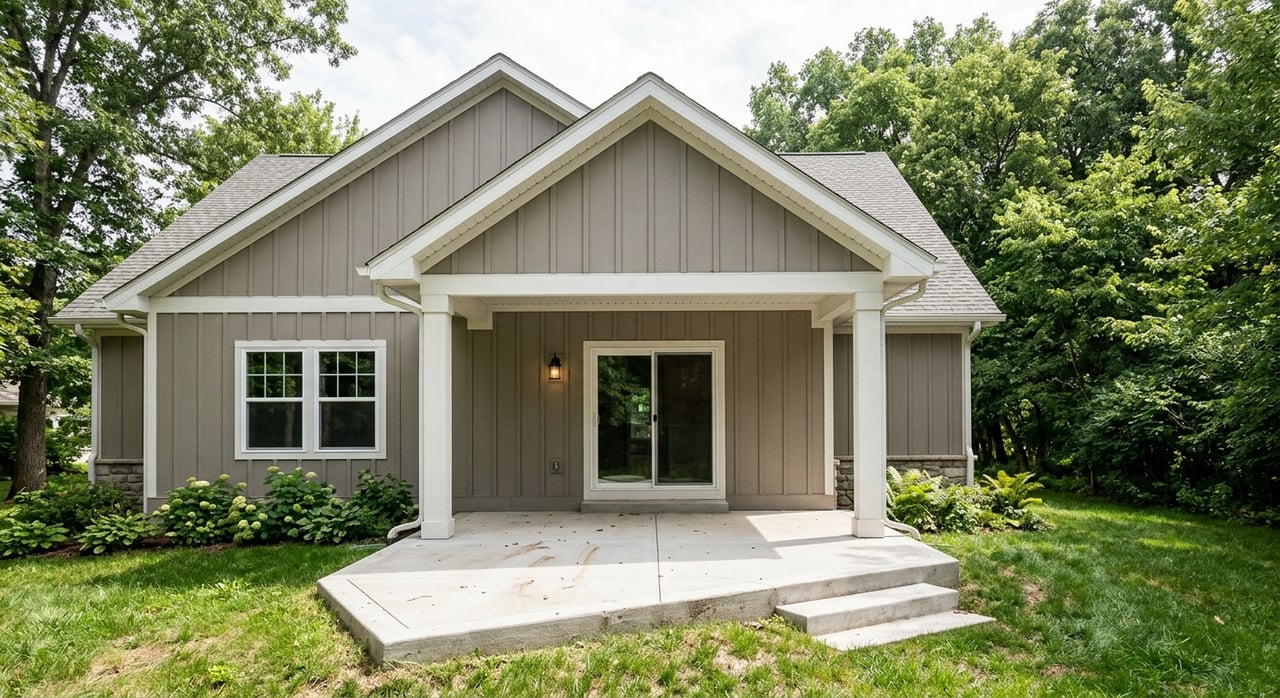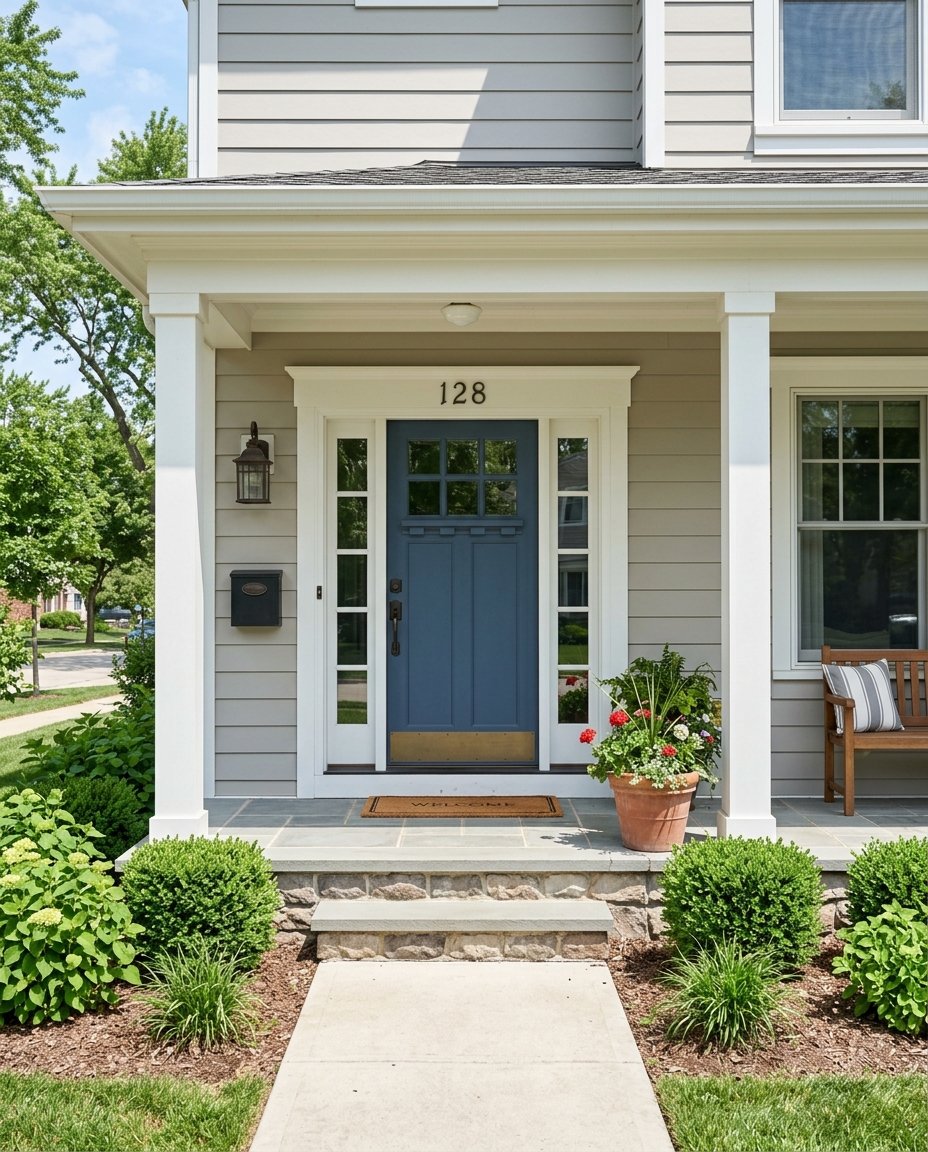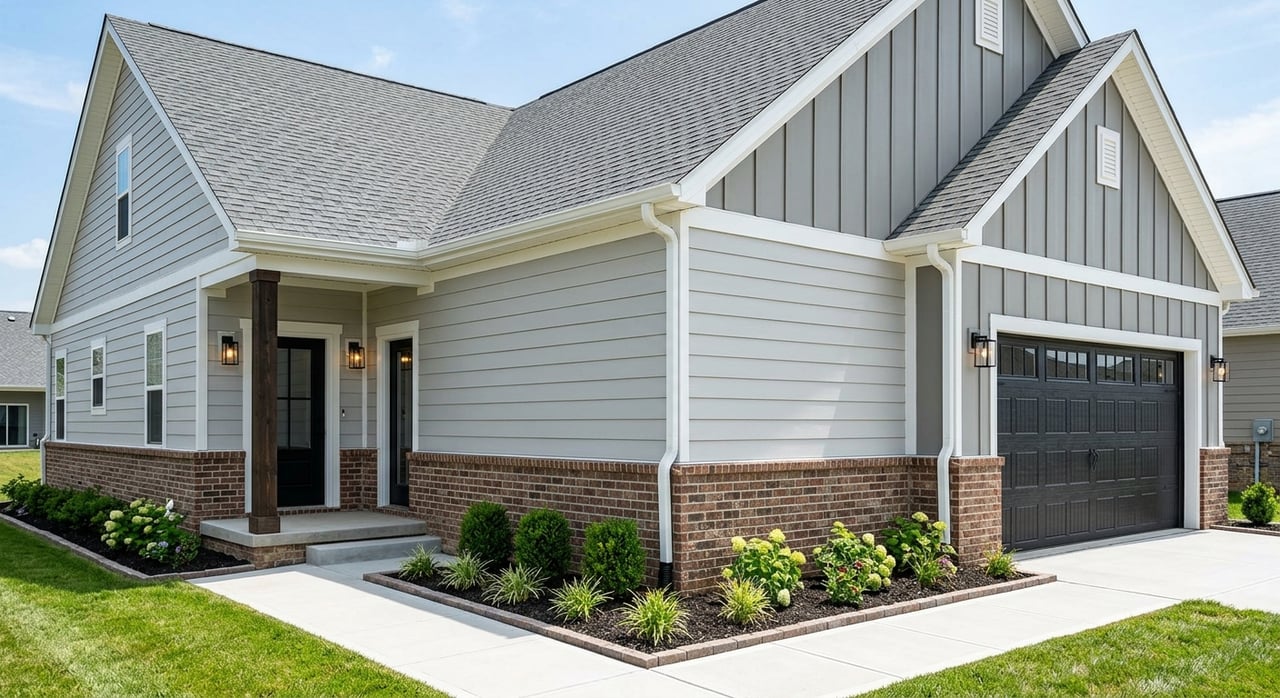
Buying a brand-new home in Springdale can feel exciting right up until the details start stacking up. Between builder contracts, utility fees, inspections, and timeline questions, it is easy to miss costs or steps that matter. If you are comparing new construction with resale homes, this guide will help you understand how the process works in Springdale, what to budget for, and what to ask before you sign. Let’s dive in.
Why new construction matters in Springdale
Springdale is part of a fast-growing Northwest Arkansas market, and new construction plays a big role in keeping up with demand. Springdale has 84,161 residents and 32,643 housing units, with a 53.4% owner-occupied rate and a median owner-occupied home value of $261,800 based on 2020 to 2024 ACS estimates.
In the broader Fayetteville-Springdale-Rogers market, HUD estimates population growth from 440,125 in 2010 to 617,900 currently, with a forecast of 662,600 by 2028. The region also saw 9,825 residential permits in the 12 months ending March 2025, which helps explain why so many buyers are looking at newly built homes.
Springdale new construction can vary a lot
Not every new home in Springdale follows the same path. The city’s Planning Commission reviews subdivision plats and site plans to make sure proposed development fits the comprehensive land use plan, street plan, trail plan, zoning rules, subdivision regulations, and design standards.
That matters because one new home may sit in a more traditional subdivision, while another may be part of an infill setting with a different lot shape, layout, or surrounding development pattern. If you are shopping new construction, it helps to look beyond the floor plan and ask how the lot and location affect the home’s long-term fit for your needs.
City lots and county lots are different
One of the first questions to ask is whether the lot is inside Springdale city limits or in unincorporated Washington County. A home with a Springdale mailing address may still follow county development rules depending on where the property sits.
Inside city limits, Springdale’s Building Department handles building, electrical, mechanical, and plumbing permits. The city reviews plans before issuing permits, and a certificate of occupancy is issued only after construction is complete and final inspection passes.
Outside city limits, Washington County rules may apply instead. The county notes that unincorporated-area development can require floodplain permits and individual sewage disposal permits, and the approval path may call for surveys showing boundaries, setbacks, easements, floodplain details, parcel information, acreage, zoning, and legal descriptions.
What the local build process looks like
For homes built in Springdale city limits, the process includes more than just a builder pulling a permit. The city’s Building Department reviews plans, and the Engineering Department can also be involved for grading, floodplain development, and driveway expansion permits.
Springdale has also adopted an Arkansas Energy Code for new building construction. That means code compliance is part of the review process from the start, which can be a plus for buyers who want a home built to current local standards.
Still, code approval is only one part of the picture. It helps confirm that the home met local requirements, but it does not replace your own due diligence as a buyer.
Utilities are a big part of planning
Utility planning is one of the most important parts of a Springdale new-construction purchase. Springdale Water Utilities reviews and approves water and sewer improvements for large-scale development plans and subdivisions, and it provides fire-hydrant flow data and mapping for planning purposes.
The utility also says its online map is for preliminary planning only because inaccuracies may exist. In plain terms, you should verify potable water capacity, sanitary sewer capacity, and fire-flow needs for the specific lot instead of assuming the map tells the full story.
This is especially important if you are buying a lot before the home is complete. A little extra checking early can help you avoid later surprises tied to utility access, service capacity, or site-specific requirements.
Budget beyond the base price
The builder’s base price is rarely the full story. In Springdale, new-construction buyers may also face impact fees, tap fees, utility deposits, lot premiums, upgrade costs, and in some cases county-related septic or floodplain expenses.
Springdale Water Utilities began charging development impact fees effective April 1, 2025. For a standard 5/8-inch by 3/4-inch meter, the posted impact fees are $4,712 for water and $1,154 for wastewater, and the utility states that these fees are separate from tap fees, deposits, and other charges.
Those published impact fees are due before building permit issuance for covered new projects. Even if some costs are handled through the builder, you should ask for a clear breakdown of what is included in the contract price and what may be added later.
Financing a new construction home
Financing a new build can differ from financing a resale home, especially if the home is not complete yet. Some buyers use construction-to-permanent financing, which Fannie Mae describes as a way to replace interim construction financing with a long-term mortgage.
That financing can include more than just the structure itself. Lot purchase, site preparation, site installation, porches, decks, garages, landscaping, and hardscaping may all be part of the financing structure depending on the loan and project.
Timeline matters here too. Fannie Mae’s guidance notes that if a single-closing construction phase exceeds 18 months, it must convert to a two-closing transaction. For you, that means delays are not just frustrating. They can affect financing structure and overall transaction complexity.
You do not have to use the builder’s lender
Some builders encourage buyers to work with an affiliated lender, often with incentives attached. That may be worth comparing, but it is not your only option.
CFPB says you do not have to use a builder’s affiliated lender and can shop around for better terms. In a new-construction purchase, lender choice can shape your rate, closing costs, and flexibility if the timeline changes.
This is one area where careful comparison can pay off. A slightly better loan structure can matter just as much as a design upgrade when you look at the long-term monthly cost.
Read deposit and contract terms carefully
Builder contracts often work differently than standard resale contracts. CFPB notes that builders may ask for an upfront builder deposit, also called earnest money, on homes that are not yet built.
Before you commit, ask exactly when that deposit is refundable and under what conditions. That is especially important if completion dates shift, your financing changes, or the final home differs from your expectations in ways that matter to you.
You should also ask for clarity on a few basics:
- What is included in the base price
- Which finishes or features count as upgrades
- Whether lot premiums apply
- How change orders are handled
- What happens if completion is delayed
- When final selections must be made
Inspections still matter on a new build
A common mistake is assuming a new home does not need an inspection. In reality, CFPB recommends scheduling an independent home inspection as soon as possible so there is time to resolve problems.
That advice still applies when the home is brand new. A city inspection and certificate of occupancy serve a different purpose than an independent inspection paid for by the buyer.
A practical way to think about it is this: the city is checking for code compliance, while your inspector is looking for defects, incomplete items, workmanship concerns, and punch-list issues. If possible, attend the inspection so you can better understand the report and ask questions in real time.
Understand the certificate of occupancy
In Springdale, the Building Department issues a certificate of occupancy only after construction is complete and the final inspection has passed. That is an important milestone because it signals that the city has signed off on the home for occupancy.
But it should not be confused with a full quality guarantee. A certificate of occupancy does not replace your own inspection, final walkthrough, or review of unfinished items before closing.
For many buyers, the best approach is to treat the certificate of occupancy as one checkpoint in a longer process. It is important, but it is not the last question you should ask.
Know what warranty applies
Arkansas law gives many new-construction buyers an added layer of protection. Under the state residential contractor law, when a developer contracts with a properly licensed contractor for a turnkey project, the licensed contractor must provide a written warranty at closing of not less than one year to the buyer.
That is a helpful baseline, but you should not stop there. Ask for the actual warranty document, confirm who handles service requests after closing, and verify the builder’s current license status.
A good warranty conversation should cover more than the length of coverage. You also want to know what is covered, how claims are submitted, and how quickly repairs are typically handled.
Closing on a new construction home
Closing day on a new home can come with last-minute updates, so it pays to stay detail-focused. CFPB advises buyers to review documents carefully, shop for homeowner’s insurance and title insurance, and watch for revised Loan Estimates or other changes.
For new construction, this is also the point where final selections, lender credits, repair language, and any escrow holdbacks may need close attention. If something changed during the build, make sure the final paperwork reflects that change clearly.
This is where a detail-oriented approach really helps. A clean closing is often the result of careful review long before you get to the table.
Best questions to ask before you buy
If you are considering a new construction home in Springdale, these are some of the most useful questions to ask early:
- Is the lot inside Springdale city limits or in unincorporated Washington County?
- What utility and impact fees are due, and are tap fees or deposits separate?
- What is included in the base price versus an upgrade?
- When should the home be inspected?
- What written warranty will be provided at closing?
- Do I have to use the builder’s lender, or can I shop around?
The answers can affect your budget, timeline, and decision-making more than the model home tour might suggest. Asking them up front can save you stress later.
The bottom line for Springdale buyers
New construction in Springdale can offer real benefits, including current code compliance, a defined permit path within city limits, and at least a one-year written warranty for qualifying turnkey projects under Arkansas law. At the same time, buyers should plan for added fees, utility-related costs, possible county rules on some lots, and the chance that completion dates move.
If you want a clear, local read on whether a new build or resale home makes more sense for your budget and timeline, working with someone who understands Northwest Arkansas details can make the process much easier. If you are weighing your options in Springdale, Aaron Ork can help you compare homes, ask the right questions, and move forward with confidence.
FAQs
What should you know about Springdale new construction fees?
- Springdale Water Utilities began charging development impact fees effective April 1, 2025, and those published fees are separate from tap fees, deposits, and other charges.
What is the difference between a Springdale city lot and a Washington County lot?
- A lot inside Springdale city limits follows city permitting and inspection processes, while a nearby lot in unincorporated Washington County may involve different rules for floodplain review, septic, surveys, and other approvals.
Do you need an inspection for a new construction home in Springdale?
- Yes. An independent buyer inspection is still important because it looks at defects, workmanship, and incomplete items, which is different from the city’s code-based inspections.
Do you have to use a builder’s lender for a new home in Springdale?
- No. CFPB says you can shop around and do not have to use a builder’s affiliated lender.
What warranty comes with a new construction home in Arkansas?
- For qualifying turnkey projects under Arkansas residential contractor law, a properly licensed contractor must provide a written warranty at closing of not less than one year.
When is a certificate of occupancy issued in Springdale?
- The city issues a certificate of occupancy after construction is complete and the final inspection has passed.