Thinking about selling your home in Rogers but unsure when to hit the market? You are not alone. Timing can influence how fast you sell and how strong your offers look. In this guide, you will learn the best windows to list in Rogers, how seasonality affects pricing and days on market, and the exact timelines to prepare your home. Let’s dive in.
Best time to list in Rogers
For most sellers in Rogers, the most favorable window to list is late February through May. Buyer activity typically ramps up in late winter and peaks in spring, which often leads to shorter days on market and stronger offers. Northwest Arkansas benefits from steady job-driven demand, so you can see activity year-round, but spring usually delivers the broadest buyer pool. Always confirm with current local metrics before setting your date.
How seasons shape demand
Spring
Spring is the most active period for new listings and buyers. Days on market often shorten as more buyers look, and pricing can be firmer due to increased competition. Many families and relocators start searches now to move before summer schedules.
Summer
Summer stays busy, especially for buyers timing moves around school calendars. Activity can be similar to spring, though it may shift toward family-focused moves. Showings are still strong, and homes with outdoor features can stand out.
Fall
Fall usually brings a dip in new listings and traffic. Buyers who remain are often serious, but the overall pace can slow. Pricing strategy may need to be more precise as competition and foot traffic ease.
Winter
Winter tends to have the lowest inventory and buyer traffic. Rogers’ milder winters mean the drop-off is not as sharp as in colder markets, and job relocations keep some demand active. Winter buyers are often motivated, so good presentation and realistic pricing can still deliver results.
Metrics to watch
Ask your agent for current Rogers and Benton County data before choosing your list date. Focus on:
- Median Days on Market: How long a typical home takes to go under contract.
- Months of Inventory: Active listings divided by average monthly sales. Under 3 months suggests a strong seller’s market, around 3 to 6 months leans balanced, and over 6 months favors buyers.
- Sale-to-List Price Ratio: The average sold price divided by list price to gauge negotiation trends.
- Pending-to-Active Ratio: Pending listings divided by active listings to read demand strength.
- Price Trends: Three and twelve-month median price changes to spot acceleration or cooling.
If MOI and DOM are falling heading into late winter or spring, listing soon can capture rising demand. If they are rising, plan for a sharper pricing strategy even in a strong season. Watch a few months of data rather than a single month.
Spring launch timeline
If you can wait, a spring launch can be ideal. Plan 6 to 12 weeks of prep.
- Weeks 10 to 12: Scope and bid any major repairs like HVAC, roof, or structural fixes. Major projects may shift your timeline.
- Weeks 6 to 8: Complete priority repairs, deep clean, and declutter. Schedule professional staging if you plan to use it.
- Weeks 4 to 6: Order professional photos, consider a pre-listing inspection, compile disclosures, and set a data-driven price strategy with your agent.
- Weeks 1 to 2: Final touch-ups and landscaping. Go live between late February and May to meet peak buyer traffic.
Winter listing timeline
If life or a relocation requires a winter sale, compress prep to 3 to 6 weeks and focus on what moves the needle.
- Weeks 3 to 6: Prioritize safety, functionality, and curb appeal. Winterize landscaping and fix anything that could turn buyers away, like heating or roof leaks.
- Weeks 1 to 2: Book photos in the best daylight. Create a virtual tour and a measured floor plan.
- List date: Early December or January can work, but expect a smaller buyer pool and set realistic expectations for showings and days on market.
Tactical tweaks for winter include competitive pricing, highlighting energy-efficient upgrades, and using virtual showings to reach out-of-town buyers who shop year-round.
High-impact prep checklist
- Curb appeal: Power wash, clean gutters, and tidy beds. Use seasonal containers or simple accents.
- Repairs: Fix leaks, patch drywall, tighten hardware, and confirm doors and windows seal.
- Systems: Service HVAC and check the water heater. Keep documentation ready.
- Interior: Declutter, neutralize paint where needed, update bulbs and fixtures, and deep clean floors.
- Staging and photos: Stage key rooms and schedule photography when natural light is best.
Pricing and presentation by season
Spring strategy
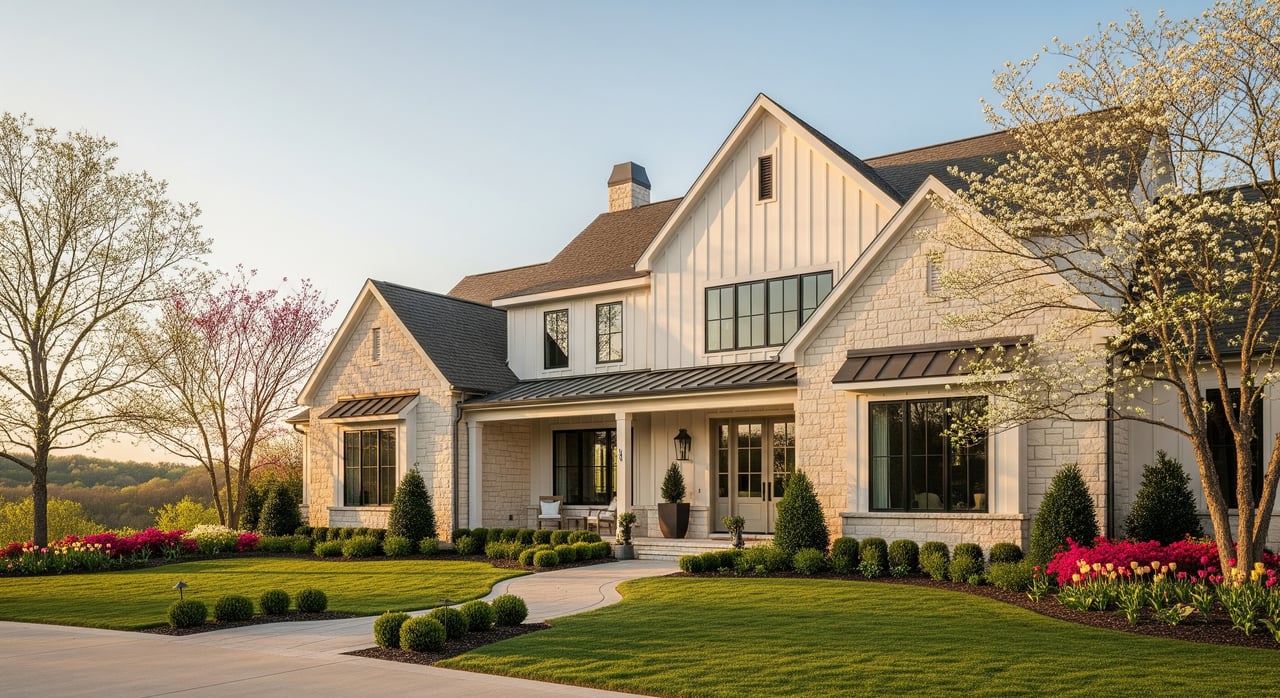
Spring often supports pricing at market or slightly above when inventory is tight. Position your home with bright exterior photos and highlight outdoor living, yards, and proximity to parks and services. Consider twilight photos to show landscaping and lighting.
Summer strategy
Emphasize cooling, shade, and energy efficiency. Schedule showings at comfortable times and showcase outdoor spaces, pools, or covered patios.
Fall strategy
Lean into cozy interiors and well-maintained yards. Keep leaf cleanup current and note energy-saving features for cooler weather.
Winter strategy
Start with a competitive price based on recent sales and actives. Focus photos on warm, well-lit interiors. Clear walkways, emphasize short commutes, and highlight upgrades like insulation or newer systems.
Tactics that work year-round
Professional photography, 3D tours or video, accurate floor plans, and clear descriptions that explain neighborhood access to shopping, parks, and commute routes help buyers see value. Targeted online marketing can capture relocation buyers tied to local employer hiring cycles.
When to wait vs list now
Consider waiting for late winter or spring if you have flexibility, your home needs prep time, or local months of inventory is falling. If you are facing a job move, coordinating a purchase, or the local market already shows very low inventory, listing now may be smarter. Either way, align timing with current Rogers metrics and your personal goals.
Rogers-specific factors
Northwest Arkansas employment anchors, including major corporate and vendor hubs, add steady demand through the year. New construction and builder incentives can shift absorption and competition across neighborhoods. Rogers’ weather is generally milder than northern markets, which softens winter slowdowns, though many families still plan around the school calendar.
Ready to plan your list date?
Your best timing blends seasonality with up-to-the-minute local data and your own move timeline. If you want a plan tailored to your property, let us pull current Rogers DOM, months of inventory, and sale-to-list ratios, then build a pricing and prep strategy that fits your goals. For a data-driven consultation and premium listing presentation, reach out to Aaron Ork.
FAQs
What is the best month to list a home in Rogers?
- Late February through May is typically the most favorable window because buyer traffic and competition often peak in spring.
How do seasons impact pricing for Rogers sellers?
- Prices often firm up in spring with more competition, while fall and winter can require sharper pricing and stronger presentation to attract motivated buyers.
How long should I plan to prepare my home before listing?
- Simple updates can take 2 to 6 weeks, while major repairs or renovations often need 8 to 12 or more weeks, which supports a spring launch.
Is listing a Rogers home in winter a bad idea?
- Not necessarily. Winter buyers can be motivated by relocations and life events. Success comes from competitive pricing, strong photos, and targeted online marketing.
Which market metrics help me choose a list date?
- Watch median days on market, months of inventory, sale-to-list ratio, and the pending-to-active ratio for Rogers to gauge demand and pricing power.