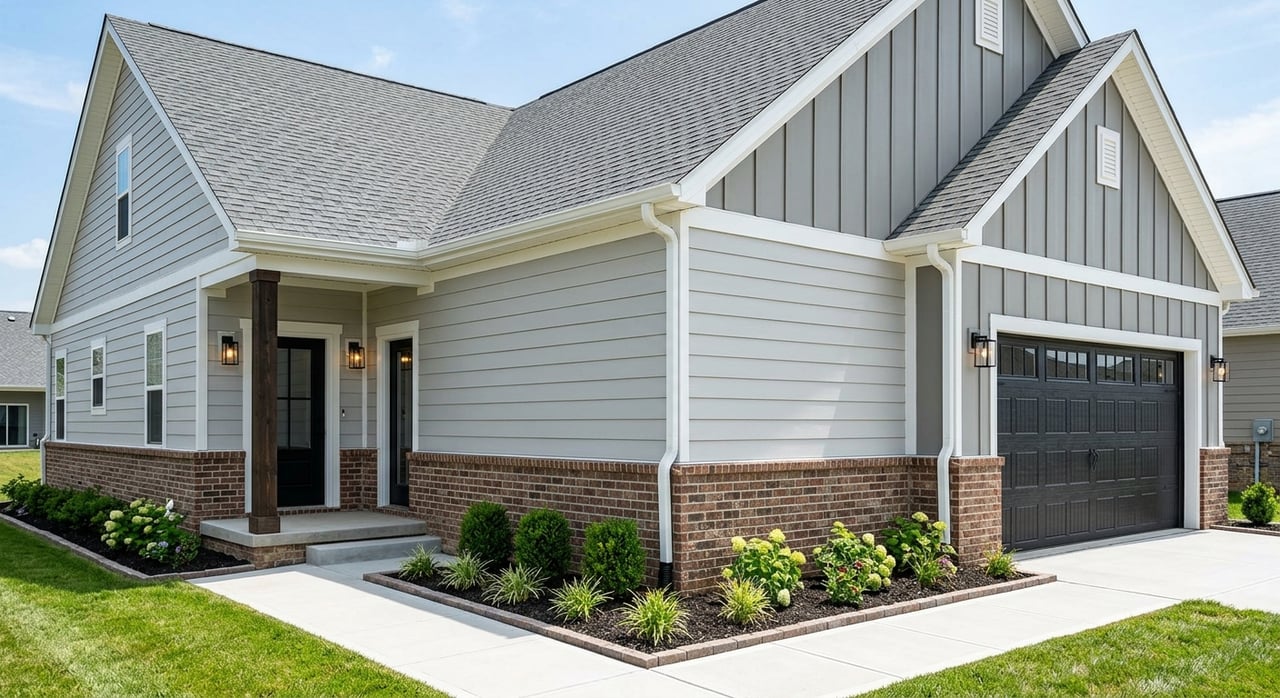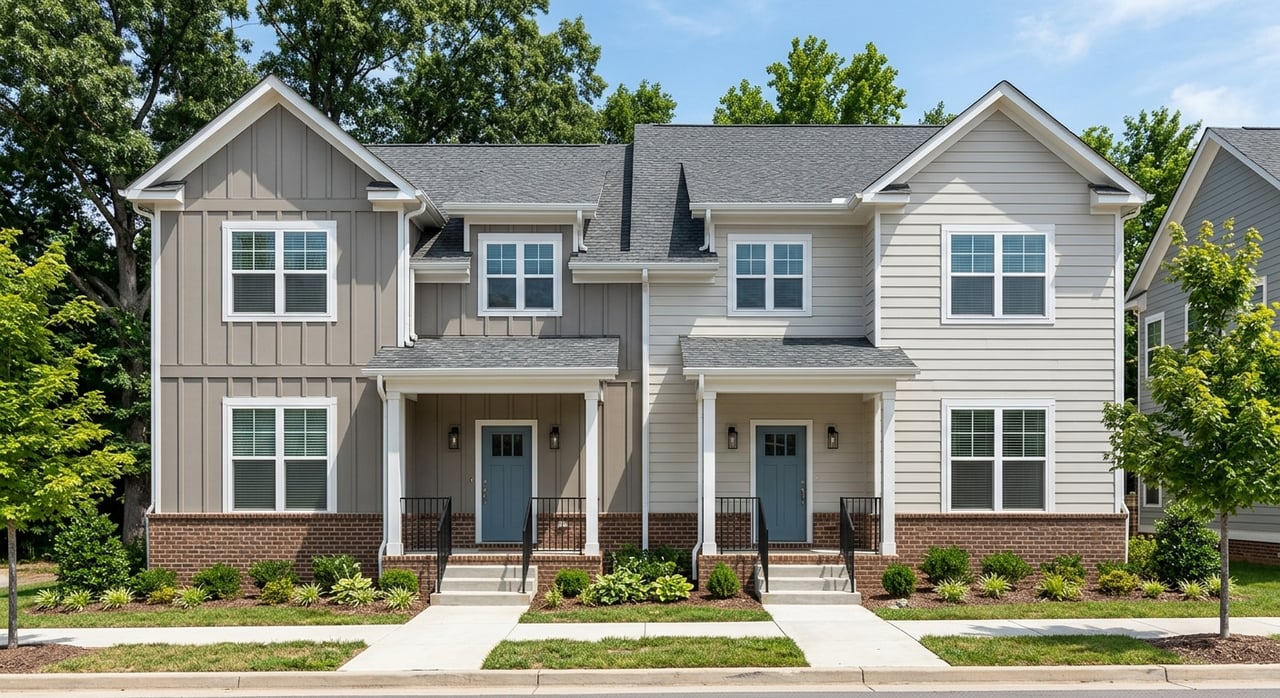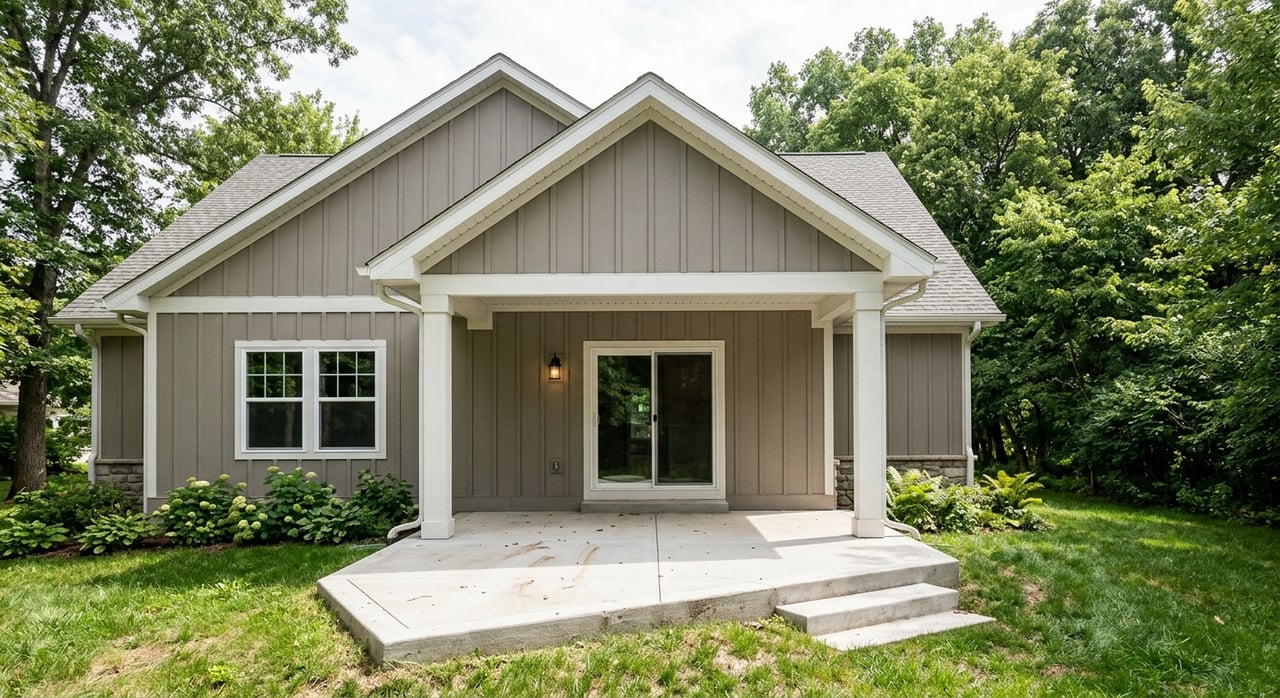
Selling one home while buying the next can feel like trying to land two planes on the same runway. If you are moving up, downsizing, or just trying to stay in Springdale without packing twice, the timing matters more than most people expect. The good news is that you do have options, and the right plan depends on your equity, financing, and how fast your current home is likely to sell. Let’s dive in.
Why timing matters in Springdale
Springdale is not a market where you can assume you will have a long cushion between selling and buying. Recent local data points in the same direction, even though the exact numbers vary by source and time frame. Redfin reported a median sale price of $358,785 for the three months ending May 2026 and 34 median days on market, while Realtor.com described Springdale as a seller’s market in June 2026 with a 100% sale-to-list ratio and a 51-day median days on market.
Zillow’s June 30, 2026 snapshot showed a typical home value of $342,727 and 294 homes for sale. At the county level, the Northwest Arkansas Board of REALTORS® reported 438 closed residential sales in Washington County in June 2026, with an average sales price of $447,779 and average days on market of 46. Taken together, those figures suggest a steady market where move-up homeowners benefit from a coordinated plan instead of hoping the dates work themselves out.
Start with your move strategy
There is no single formula that works for every Springdale homeowner. The best path usually depends on four things: how much equity you have, whether you can qualify for your next loan before selling, how quickly your current home is likely to sell, and how flexible the seller of your next home is willing to be.
Most no-extra-move plans fall into four buckets:
- Sell first, then stay temporarily with a rent-back
- Buy with a contingent offer tied to your current home
- Buy before you sell using bridge financing or a HELOC
- Line up same-day or back-to-back closings
Each option can work. The right choice depends on your numbers and your timeline.
Option 1: Sell first with a rent-back
A rent-back, sometimes called a lease-back, lets you sell your current home but remain in it for a set period after closing if the buyer agrees. For many Springdale sellers, this is one of the cleanest ways to avoid a hotel stay, storage unit shuffle, or short-term rental between closings.
The key is to negotiate the terms clearly before closing. That includes the move-out date, rent amount if any, utilities, insurance expectations, and what happens if the timing of the next home changes. Since this creates a temporary landlord-tenant relationship, the Arkansas Attorney General’s guidance makes written lease agreements especially important to reduce misunderstandings.
Why a rent-back can help
A rent-back gives you cash from your sale first, which can make the purchase side easier. You may have your down payment available, and you avoid carrying your old home longer than needed. It can also reduce pressure when your purchase closing date is close but not perfectly aligned.
What to document in writing
If you stay after closing, written terms matter in Arkansas. A clear agreement should spell out:
- Exact move-out date
- Rent or daily occupancy charge
- Utility responsibilities
- Insurance expectations
- Rules for possession after the agreed date
- What happens to any property left behind
Arkansas guidance notes that written leases are preferable because they reduce confusion, and notice rules can differ depending on whether an agreement is oral or written. If you are using a rent-back, this is not the place for a handshake deal.
Option 2: Buy with a contingent offer
A contingent offer means your purchase depends on certain conditions being met. For homeowners buying and selling at the same time, the most relevant versions are usually a home-sale contingency or a home-close contingency.
A home-sale contingency gives you time to sell your current home before you must move forward on the purchase. A home-close contingency gives you time to complete the closing on your current home before buying the next one. In some situations, a kick-out clause may also be added, which allows the seller to keep marketing the home while your contingency is in place.
Can contingent offers still work in Springdale?
Yes, but they usually need to be realistic and well-supported. In a market where homes are still moving at a steady pace, flexibility alone may not be enough to win. A strong preapproval, solid pricing, and a closing timeline that matches the local pace can make a contingent offer more workable.
CFPB consumer guidance also supports using financing and inspection contingencies, which are common tools to protect buyers during a purchase. The point is not to remove every safeguard. It is to build an offer structure that protects you while still making sense to the seller.
Option 3: Buy before you sell
If you want to secure the next home before listing your current one, temporary financing may help bridge the gap. Two common tools are bridge loans and home equity lines of credit, also called HELOCs.
CFPB describes a bridge loan as temporary financing, generally for 12 months or less, that can help fund a new home while you plan to sell the current one within that period. A HELOC can also let you borrow against your home equity, but only if you can keep up with the payments because your home is at risk if the loan is not repaid.
When this path makes sense
Buying before selling can be appealing if you want more control over the move date or if you find a home you do not want to lose. It may also help if your next purchase needs a quick decision but your current home has not gone live yet.
The caution is payment capacity. Fannie Mae guidance says lenders must document your ability to carry the current home payment, the new home payment, the bridge loan, and other obligations. In simple terms, this route can reduce move stress, but it can increase financial pressure if the numbers are too tight.
Option 4: Same-day closings
Some homeowners aim for same-day or back-to-back closings. In this setup, you close on your current home and your next home on the same day or within a very short window.
This can be efficient, but it requires precise coordination. The lender, title or settlement company, and agent all need to line up the calendar early, and every moving part has to stay on track.
Why details matter here
CFPB explains that closing is the final, legally binding step in the transaction. It also notes that if important loan terms change near closing, a new Closing Disclosure may be required, which can affect timing. That means even a small delay on the purchase side or sale side can ripple through the whole plan.
If you are trying to avoid an extra move with same-day closings, document review and scheduling are not last-minute tasks. They are early tasks.
Build your plan in the right order
When you are trying to sell and buy without moving twice, the order of decisions matters. A practical planning sequence usually looks like this:
- Estimate your equity and likely net proceeds from the current home.
- Talk with a lender about whether you can qualify before selling.
- Decide whether your best path is rent-back, contingency, temporary financing, or same-day closings.
- Set a realistic listing timeline based on current Springdale conditions.
- Coordinate closing windows with your agent, lender, and title or settlement company.
- Review final paperwork carefully before signing.
That sequence helps you solve the money question before the moving truck question. It also lowers the chance of making a great offer on a new home without a clear path to close.
Who should be involved early
This kind of move works best when the right people are involved before the first contract is signed. For most Springdale homeowners, that means:
- A local real estate agent
- Your lender
- A title or settlement company
- An Arkansas real estate attorney if legal language or overlapping possession terms need review
CFPB specifically advises consumers to ask the real estate agent or settlement agent if something in the sale terms is unclear. Since the closing documents are legally binding, it is smart to review timing, possession, and financing details before closing day instead of during it.
The best plan depends on your numbers
The main takeaway is simple: there is no universal no-extra-move strategy. The best option for you depends on your equity, your loan qualification, the expected sale pace of your current home, and how negotiable the next purchase is.
In Springdale, where market timing still matters, a well-built plan can save you money, stress, and a second round of packing. If you want a clear, local strategy for selling and buying on the same timeline, Aaron Ork can help you map out the numbers, timing, and next steps with a data-driven plan.
FAQs
Can I buy a home in Springdale before I sell my current home?
- Yes. Bridge financing or a HELOC may help if you have enough equity and can qualify to carry the required payments.
Can a contingent offer still be competitive in Springdale?
- Yes. A contingent offer can still work, but it may need strong financing, realistic timing, and solid overall terms to compete in a steady local market.
How does a rent-back work after selling a home in Arkansas?
- A rent-back lets you stay in the home after closing if the buyer agrees. The move-out date, rent, utilities, and other terms should be clearly written into the agreement.
How long can a rent-back last in Springdale?
- There is no single standard length in consumer guidance. The duration is negotiated between the parties and should be documented in writing up front.
Who should help coordinate a sell-and-buy move in Springdale?
- Start with a local real estate agent, lender, and title or settlement company. If legal language or possession terms need review, an Arkansas real estate attorney may also be helpful.